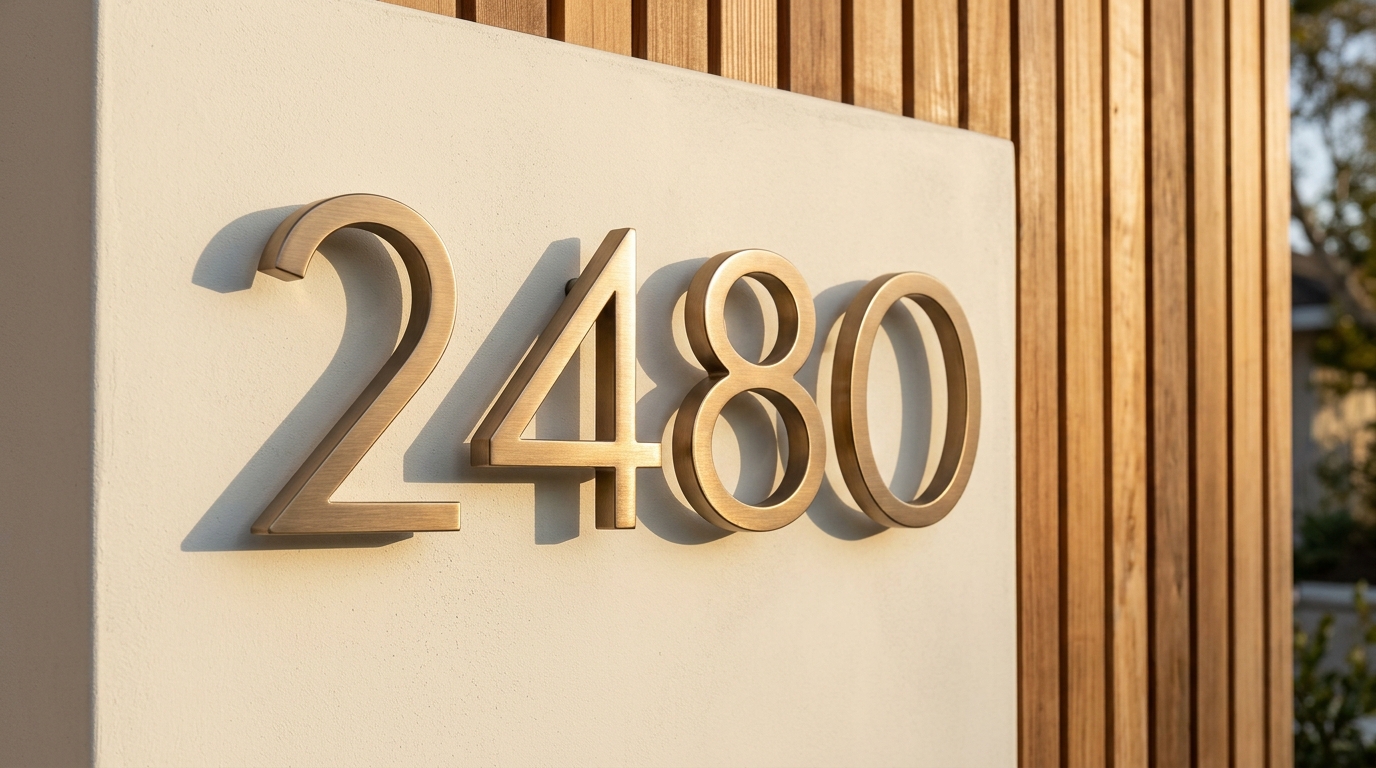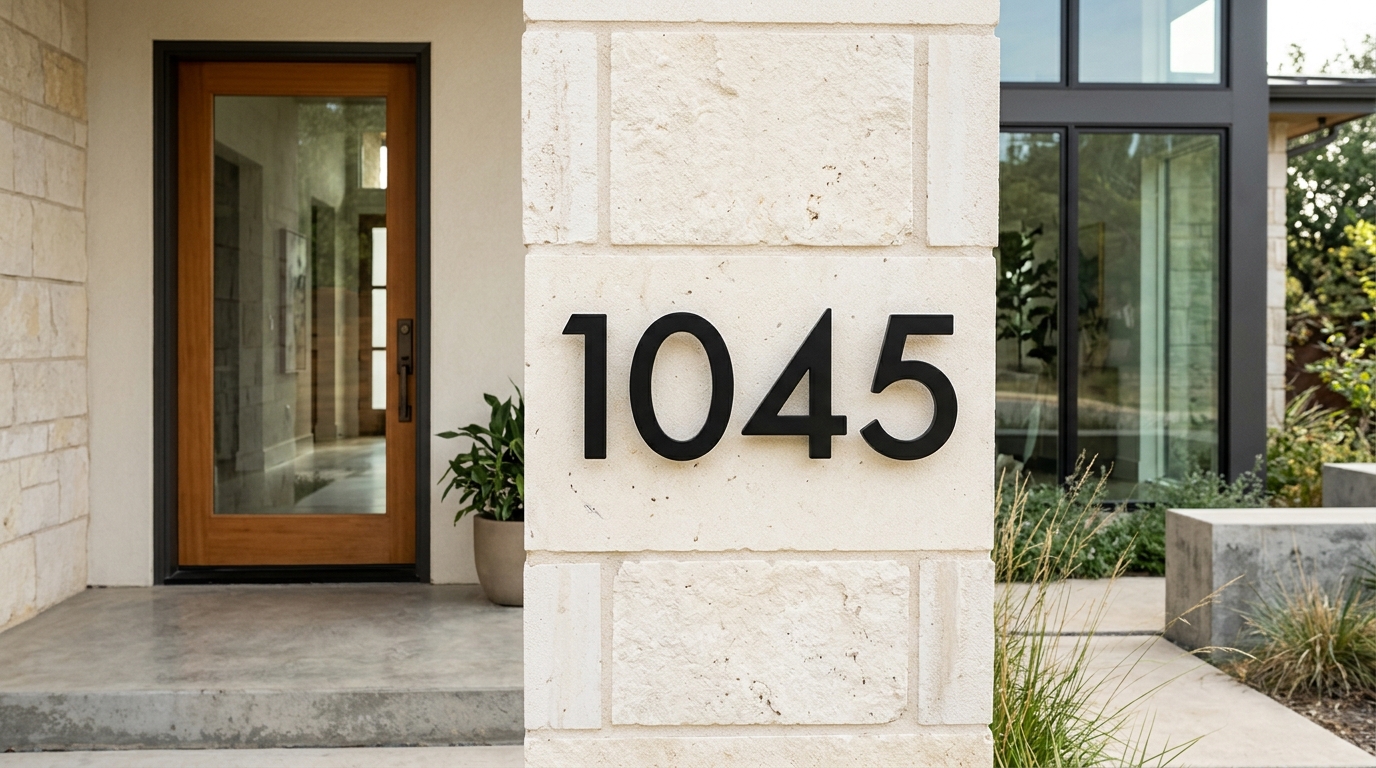

Within one mile of breaking surf or brackish coastal bays, windborne chloride aerosols settle into microscopic pores on exterior metal hardware. Ferrous alloys bleed rust streaks down white stucco within months, while cheap powder-coated zinc castings suffer filiform corrosion—bubbling and flaking from the edges inward whenever moisture creeps beneath a nicked paint film.
Zero iron content means zero orange rust staining on white coastal stucco or cedar.
Grown directly from the aluminum alloy itself—cannot peel, chalk, or delaminate.
Prevents salt crystals and damp debris from trapping behind flat-mounted digits.
Integral Electrochemical Protection vs. Surface Paint
Unlike liquid paint or electroplating that merely sits on top of metal, architectural anodizing immerses solid U.S. aluminum in an electrolytic bath to convert the outer metallic surface into a hard, crystalline aluminum-oxide ceramic shell integrated atomically with the core casting. Because that protective barrier is part of the metal itself, UV radiation, salt fog, and driving coastal rain cannot lift or blister the finish.
Why We Pre-Selected 3/8-Inch Standoffs for Coastal Siding
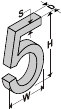
Flush-mounting numbers tight against cedar shingles, tongue-and-groove cypress, or textured coastal stucco creates a capillary crevice where salt-laden mist stays damp long after morning fog burns off. Elevating your numbers on 3/8-inch spacers lets fresh rainwater and garden-hose rinses flush cleanly behind every character, protecting both the hardware and your wood or painted siding.
Other Coastal-Safe Finishes Available in Step 3
- Dark Bronze, Medium Bronze & Black Anodized: Identical marine-grade anodic oxide protection in rich architectural dark tones for white clapboard or light stucco beach homes.
- Champagne & Gold Anodized: Warm sunlit metallic tones without the rapid tarnishing of unsealed brass near ocean air.
- Traditional Patina & Oxidized Solid Bronze: For homeowners who embrace authentic maritime bronze aging over time.